
Automation is the foundation. AI Agents deliver business outcomes.
Aijia Customer Service is not a single bot or a traditional support suite with an AI add-on. It brings automated reception, customer identity, business conversations, service cases, waiting states, multi-agent collaboration, low-risk execution, human review, and evidence trails into one end-to-end AI-native commercial delivery system. It turns fragmented customer messages into service outcomes that can be progressed, executed, reviewed, and scaled.
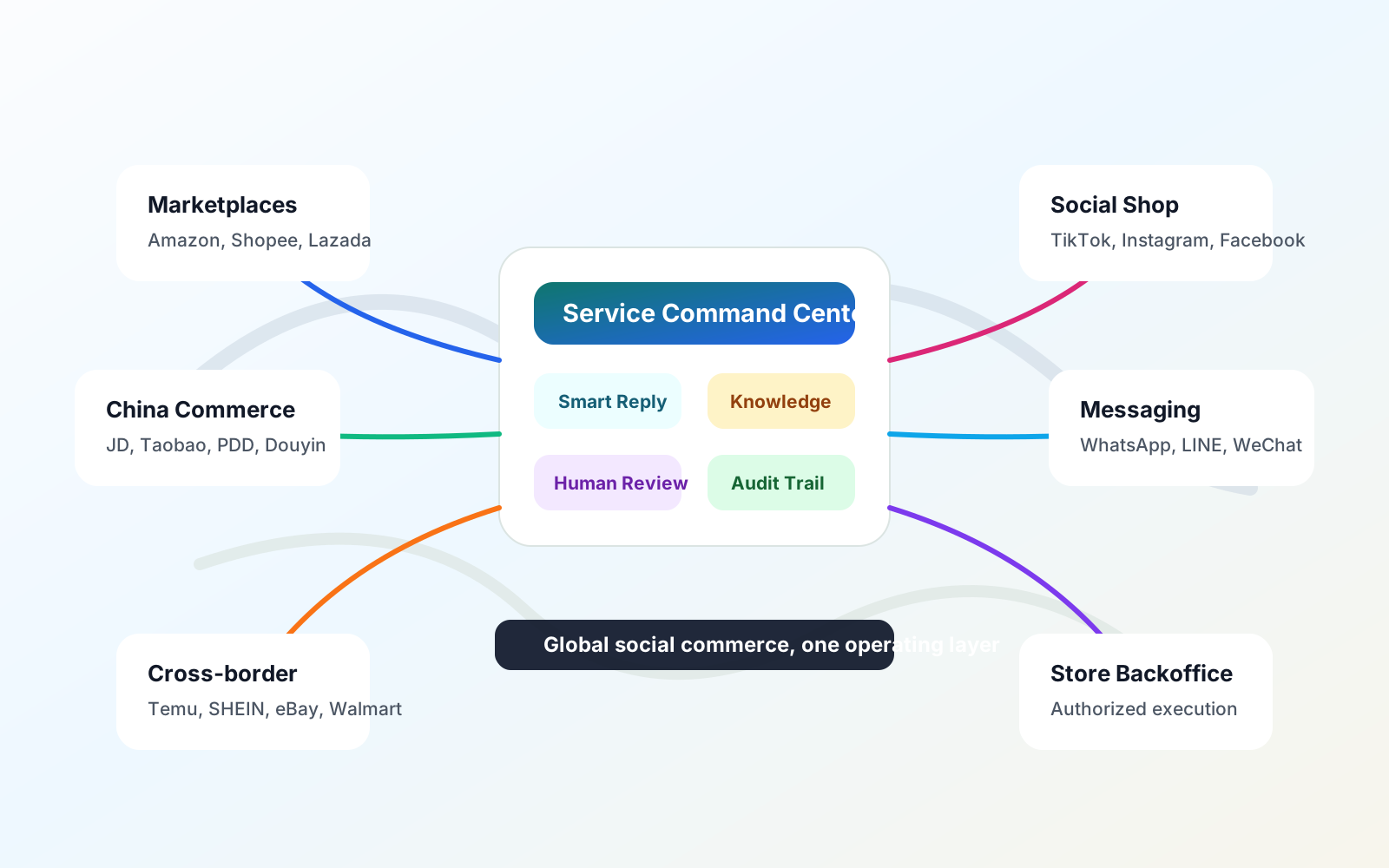
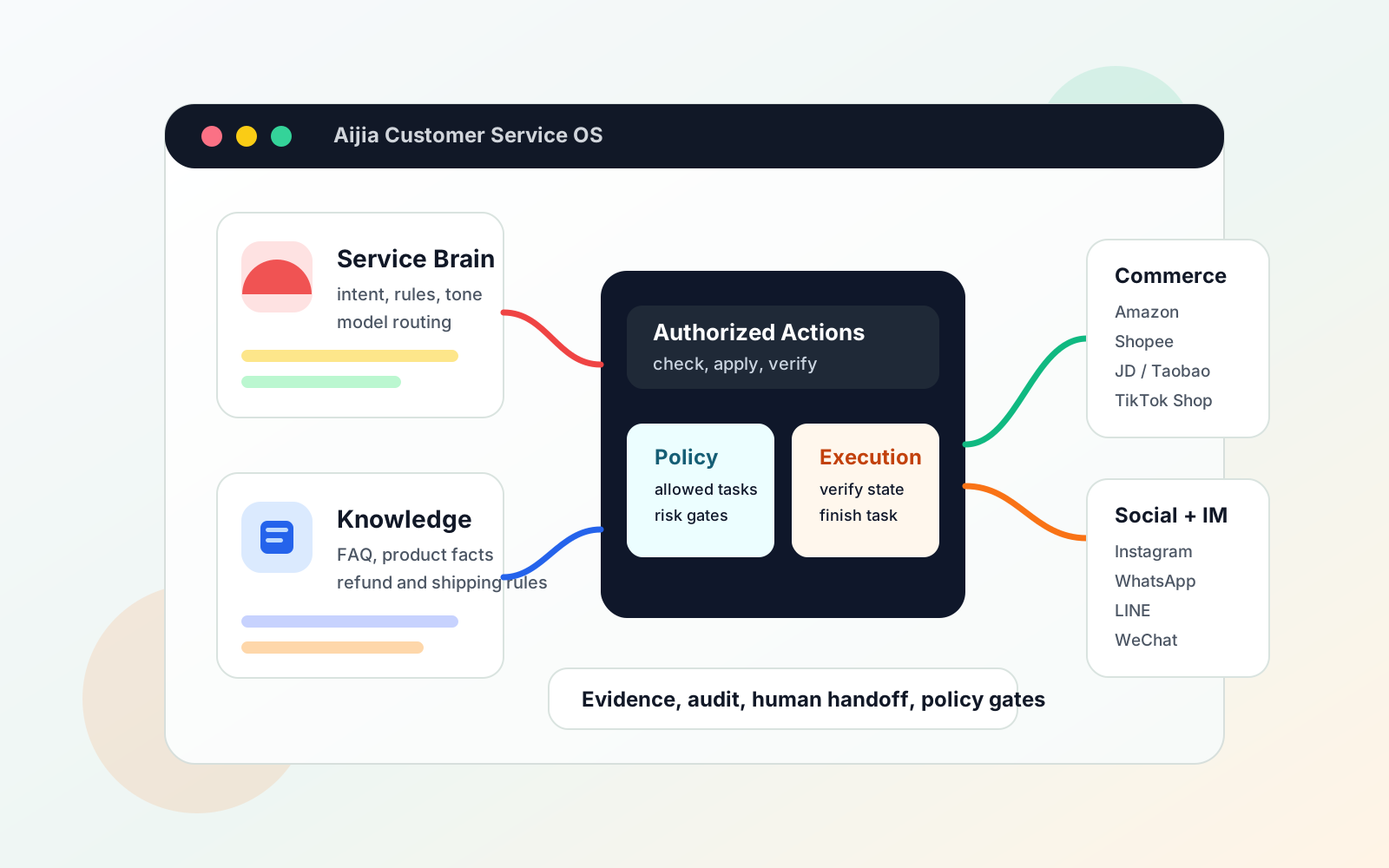
The next product category: from automation tools to agentic commercial delivery.
Automation is Aijia Customer Service's foundation and core capability. The difference is combining automation with AI understanding, multi-agent collaboration, enterprise capability connections, review governance, and evidence review. The system does not stop at drafting one answer. It works around an active service case: understand the customer, break down the work, call available capabilities, judge risk, execute low-risk actions, route high-risk actions to review, and turn outcomes into organizational assets.
End-to-end automation
Run intake, identity, planning, progress, execution, review, and evidence around service outcomes.
Multi-agent collaboration
Separate reception, knowledge, case progress, collaboration, execution, review, and improvement responsibilities so complex service does not rely on one reply model.
Commercial delivery governance
Low-risk actions execute automatically. High-risk actions move into human review. Key steps carry policies, permissions, and evidence.
Complex private-domain and enterprise service is packaged into products teams can buy, launch, and extend.
Each product maps to a concrete business pain: fragmented entrances, unclear identity, chaotic group collaboration, unresolved cases, partner relay errors, unmanaged risk, and service experience that cannot be copied.
AI Agent Commercial Delivery System
Use automation as the base and multi-agent collaboration to move complete service cases forward with executable, reviewable, extensible, and repeatable enterprise delivery.
AI Reception Workspace
Bring WeChat, WeCom, websites, social, messaging, and marketplace requests into one workspace with AI drafts, human takeover, identity confirmation, and safe outbound.
Customer Identity and Context
Confirm the customer, contact, organization, and conversation scope before using context, reducing mix-ups, misidentification, and overreach.
Service Case Automation
Attach customer messages to service cases and continuously manage waiting states, next actions, completion feedback, and automated reminders.
WeCom Private-Domain Collaboration
Organize customer groups, contacts, actual executors, internal teams, and customer-safe wording for private-domain service.
Partner Fulfillment Collaboration
Turn partner requests, material, progress, and exceptions into customer-facing service actions that can be understood, executed, and tracked.
Review and Evidence Governance
Route refunds, compensation, disputes, sensitive group wording, and uncertain answers into review-before-send with evidence for replay.
AI Support Operations System
Unify knowledge operations, back-office verification, human review, evidence trails, QA review, and multi-team operations governance.
Support customer entrances across private domain, social, ecommerce, and messaging platforms
 WeChat
 WeCom
WeCom Douyin
 Xiaohongshu
 TikTok
 Instagram
 WhatsApp
 Amazon
 Shopee
 Shopify
Traditional systems solve local efficiency. Aijia Customer Service solves end-to-end agentic service delivery.
Private-domain SCRM, omnichannel support, marketing automation, chatbots, and single-agent AI support each have value. Aijia Customer Service connects customer identity, service cases, multi-role collaboration, executable actions, human review, and evidence trails in one delivery chain.
Start with one high-frequency service case and build AI Agent delivery capability.
Prove reception, identity, case progress, waiting states, review, and evidence first. Then extend into more channels, partners, teams, and business capabilities.